Introduction
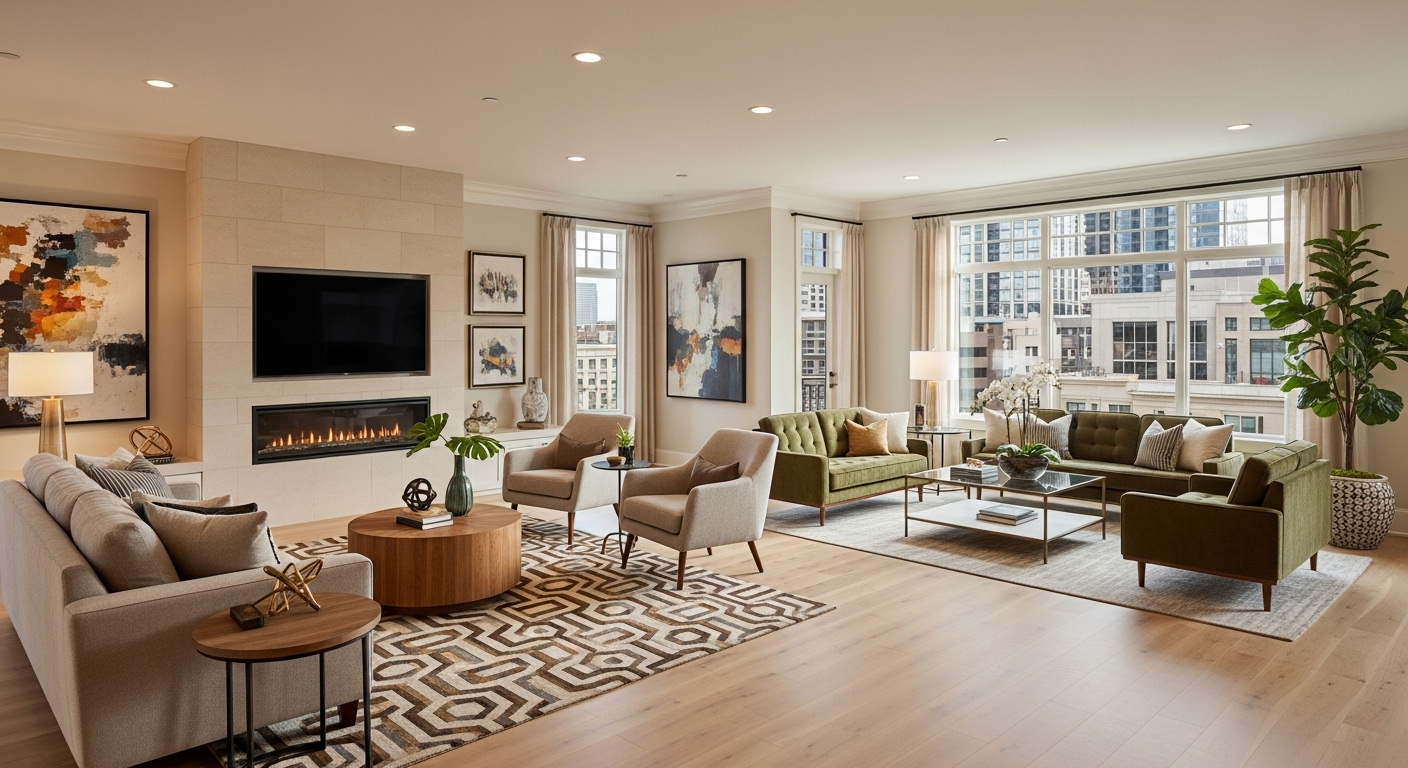
A large living room is often seen as a luxury an open canvas full of possibility. Yet many homeowners discover that more space does not automatically mean better function or comfort.
Oversized living rooms can feel cold, echoey, or awkward if furniture is pushed against walls or if the space lacks clear purpose. Without thoughtful planning, a large room can feel less inviting than a smaller, well designed one.
The key to designing a successful large living room lies in intentional layout choices. Instead of treating the room as a single open area, the most effective designs break the space into meaningful zones, balance scale and proportion, and guide movement naturally.
Whether your goal is to create a cozy family gathering area, an elegant entertaining space, or a multifunctional room that adapts to daily life, the right layout solution makes all the difference.
In this in-depth guide, we explore seven large living room layout solutions that help transform expansive spaces into warm, functional, and visually striking interiors.
Each solution focuses on a different way to organize space, furniture, and flow giving you practical ideas you can adapt to your own home, lifestyle, and design preferences.
1. The Zoned Layout: Creating Multiple Functional Areas
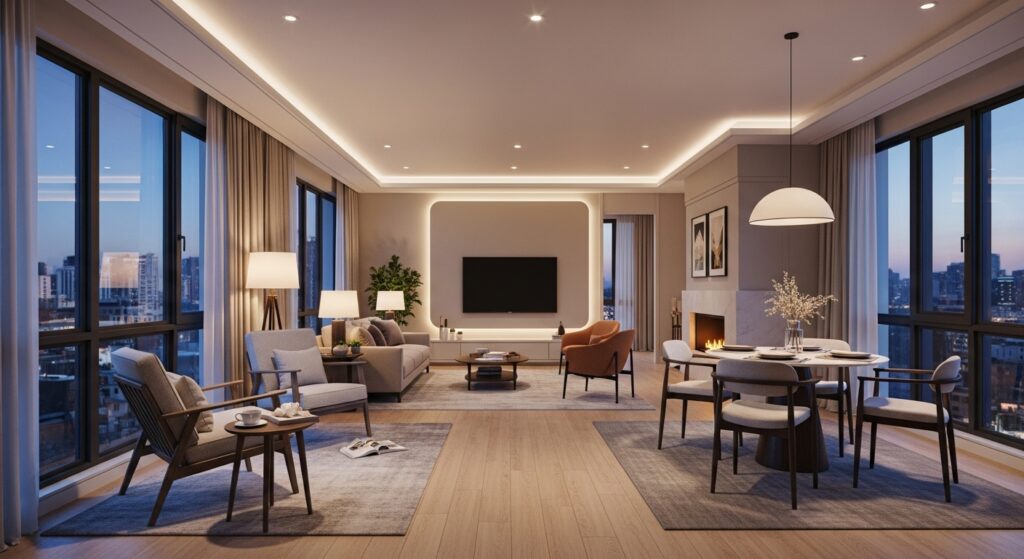
One of the most effective ways to design a large living room is by dividing it into distinct zones. Instead of filling the room with oversized furniture or leaving large empty areas, zoning allows the space to serve multiple purposes while still feeling cohesive.
How Zoning Works
Zoning involves visually and physically separating different activities within the same room. Common zones in a large living room include:
- A main seating area for conversation or TV viewing
- A reading nook or relaxation corner
- A workspace or study area
- A games or entertainment zone
- A music or hobby corner
These zones do not require walls. Instead, they are defined through furniture placement, rugs, lighting, and subtle design cues.
Furniture Placement Strategies
Use sofas, sectionals, or console tables as soft dividers. For example, placing a sofa with its back toward another area naturally separates the main seating zone from a reading or dining space. Area rugs are especially powerful tools each rug anchors its own zone and signals its function.
Lighting also plays a major role. Pendant lights, floor lamps, and table lamps can be dedicated to individual zones, creating a sense of intimacy and focus within each area.
Benefits of the Zoned Layout
- Makes large rooms feel more human-scaled and cozy
- Increases functionality without crowding
- Allows multiple activities to happen at once
- Creates visual interest and movement
The zoned layout is ideal for families, open-plan homes, and anyone who wants their living room to be more than just a place to sit.
2. The Central Anchor Layout: Grounding the Space
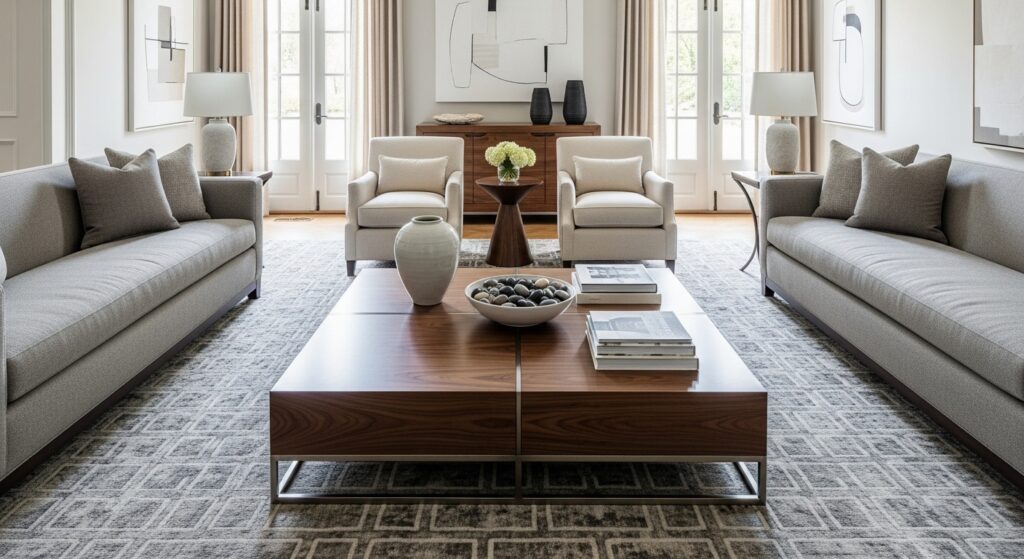
Large living rooms often suffer from a lack of focus. Furniture pushed to the edges can make the center of the room feel empty and purposeless. The central anchor layout solves this problem by placing a strong focal point at the heart of the room.
What Is a Central Anchor?
A central anchor is a dominant element that grounds the layout and organizes furniture around it. Common anchors include:
- A large area rug
- A statement coffee table
- A fireplace
- A dramatic chandelier
- A sculptural ottoman
In many designs, the anchor combines two or more of these elements for example, a large rug paired with a bold coffee table.
Arranging Furniture Around the Anchor
Instead of lining furniture along the walls, arrange sofas, armchairs, and accent seating in a circular or Ushaped formation around the anchor. This approach encourages conversation and brings people closer together, making the room feel welcoming rather than cavernous.
For rooms with a fireplace, position seating to face or partially face it, even if the television is mounted elsewhere. This reinforces the fireplace as a visual and emotional focal point.
Why This Layout Works
- Eliminates the “empty middle” problem
- Creates a natural gathering space
- Enhances symmetry and balance
- Works well for entertaining and socializing
The central anchor layout is especially effective in square or nearly square living rooms, where symmetry can be fully embraced.
3. The Conversation-Focused Layout: Prioritizing Connection
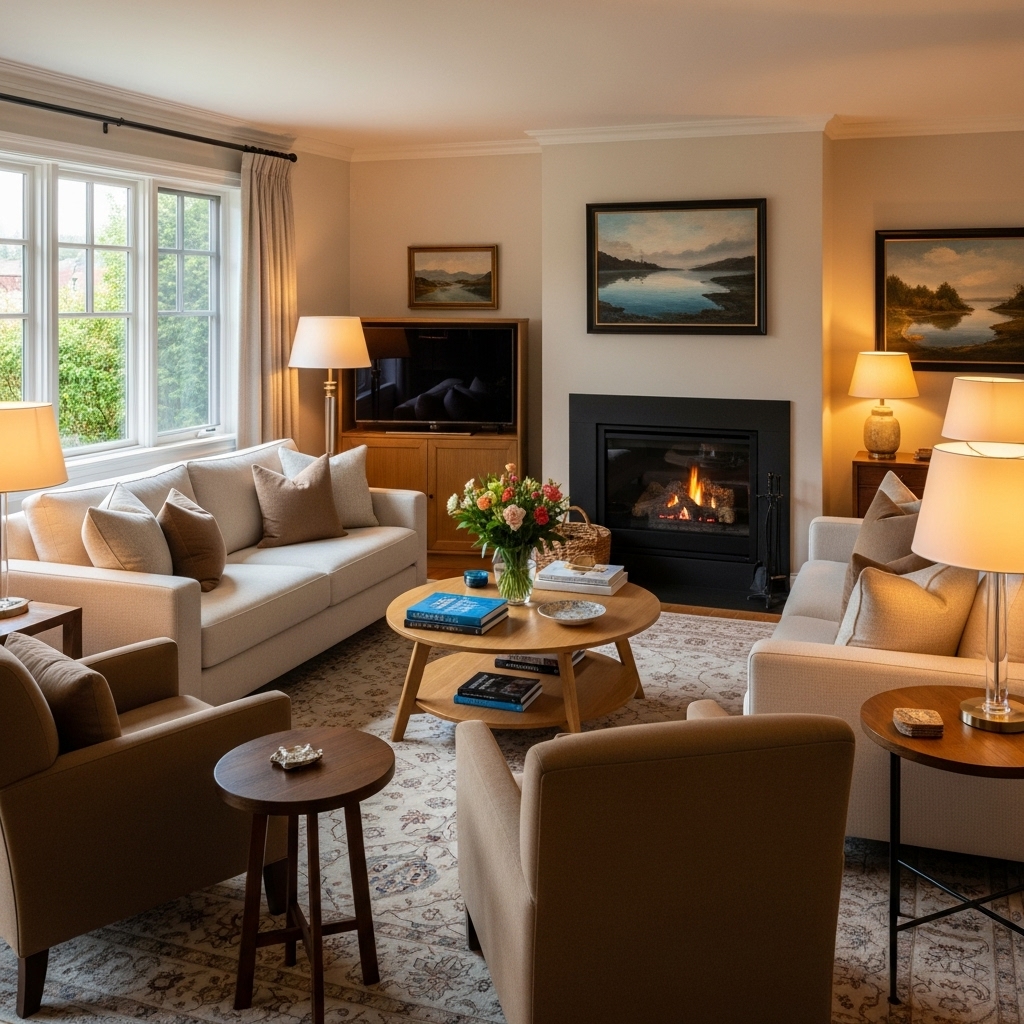
In many homes, the living room becomes overly centered on the television. While entertainment is important, a large living room offers the opportunity to create a space where conversation and connection take priority.
Designing for Face-to-Face Interaction
The conversation-focused layout places seating so that people naturally face one another. This often means:
- Two sofas facing each other
- A sofa paired with two or more armchairs
- A sectional balanced with accent chairs
The distance between seats should be close enough to allow comfortable conversation without raised voices. In large rooms, this usually means pulling furniture inward and resisting the urge to spread pieces too far apart.
Managing the Television
If a TV is present, it does not have to dominate the layout. Consider placing it on a side wall, integrating it into built-in shelving, or using a swivel mount that allows flexibility. The goal is to ensure that the room works just as well for conversation as it does for viewing.
Adding Warmth and Intimacy
Soft textures, layered lighting, and warm materials help prevent the conversation area from feeling lost in the larger space. A plush rug, throw pillows, and low coffee tables all contribute to a relaxed, inviting atmosphere.
Ideal Use Cases
- Homes that host guests frequently
- Formal or semi formal living rooms
- Spaces designed for entertaining rather than daily TV use
This layout transforms a large living room into a social hub that encourages meaningful interaction.
4. The Symmetrical Layout: Embracing Balance and Elegance
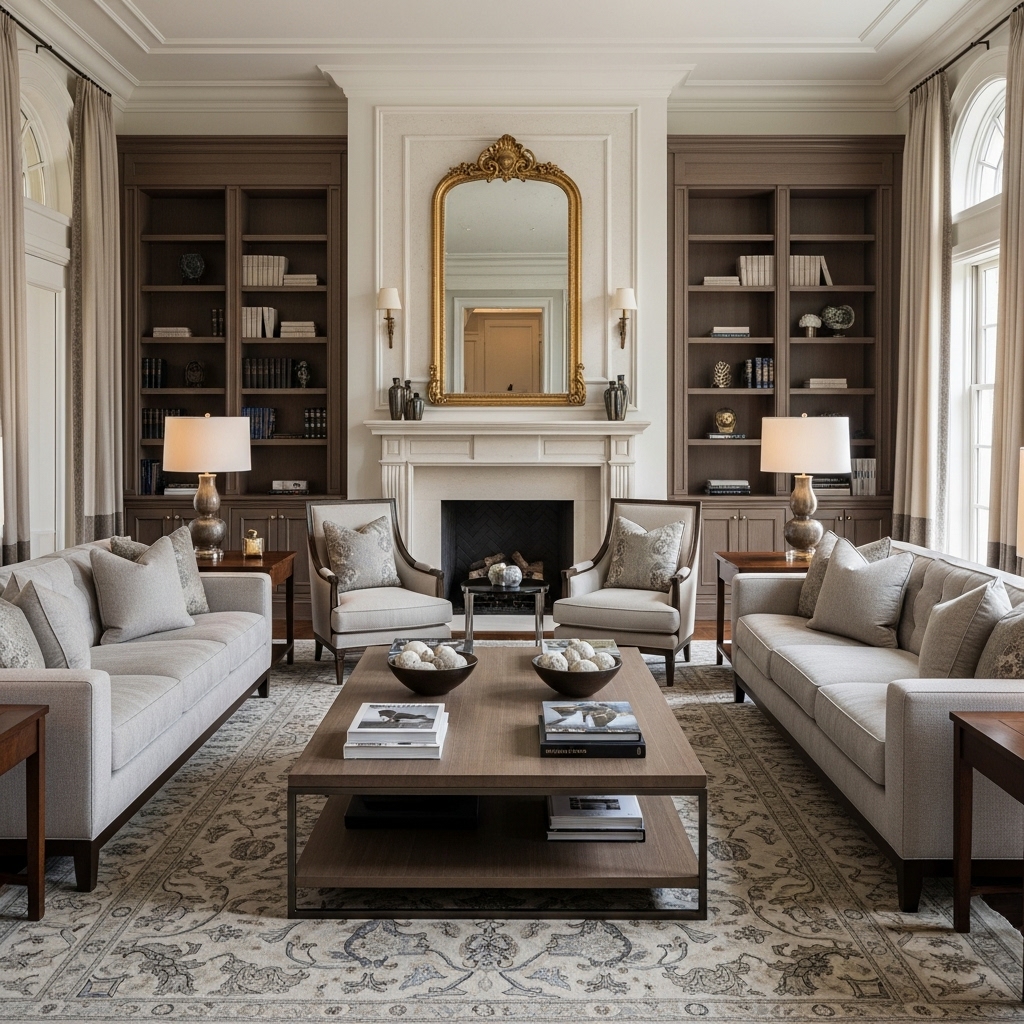
Symmetry has long been associated with elegance, order, and calm. In large living rooms, a symmetrical layout can bring structure to an otherwise overwhelming space.
Understanding Symmetry in Design
A symmetrical layout mirrors furniture and decor across a central axis. This might involve:
- Matching sofas or chairs on either side of a coffee table
- Identical side tables and lamps
- Balanced artwork or shelving
The symmetry does not have to be perfectly rigid, but the overall visual weight should feel evenly distributed.
Creating a Strong Focal Point
Symmetrical layouts work best when anchored by a clear focal point, such as a fireplace, large window, or statement wall. Furniture is arranged to frame this feature, drawing the eye naturally toward it.
Preventing the Room from Feeling Stiff
To avoid a showroom like feel, introduce subtle variations in texture, color, or accessories. For example, use the same sofa style in different fabrics, or add unique decorative objects that maintain balance without being identical.
Advantages of a Symmetrical Layout
- Creates a sense of order and calm
- Enhances formal and traditional interiors
- Makes large rooms feel intentional and well-organized
- Easy to plan and visually pleasing
This layout is particularly suited to classic, transitional, or luxury living room designs.
5. The L-Shaped or Sectional Layout: Defining Space with Comfort
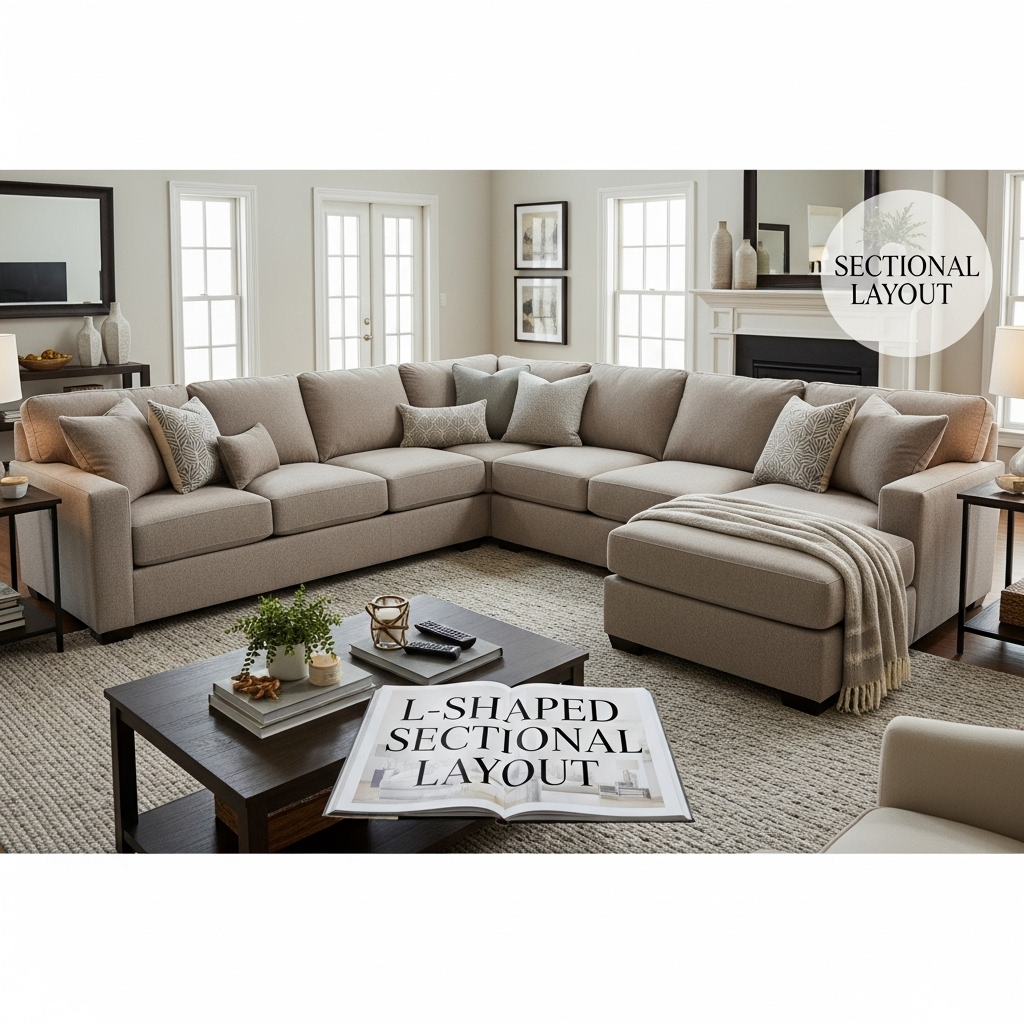
Sectional sofas are powerful tools in large living rooms. When used correctly, they define space, provide generous seating, and add a relaxed, modern feel.
Choosing the Right Sectional
Scale is critical. A large room can handle a substantial sectional, but proportions still matter. The sofa should fill the space without overwhelming it or blocking natural pathways.
L shaped sectionals work well for creating a defined seating zone, while U-shaped sectionals are ideal for households that prioritize lounging and group seating.
Positioning for Maximum Impact
Instead of pushing the sectional against the walls, float it in the room to carve out a clear living area. The back of the sectional can act as a divider between zones, such as separating the living area from a dining or entry space.
Pair the sectional with accent chairs or ottomans to maintain flexibility and prevent the layout from feeling one dimensional.
Benefits of This Layout
- Clearly defines the main living area
- Offers ample seating for families and guests
- Creates a cozy, enclosed feel within a large room
- Works well in open-plan homes
The sectional layout balances comfort and structure, making it one of the most popular solutions for large living rooms.
6. The Dual-Focus Layout: Balancing Multiple Focal Points
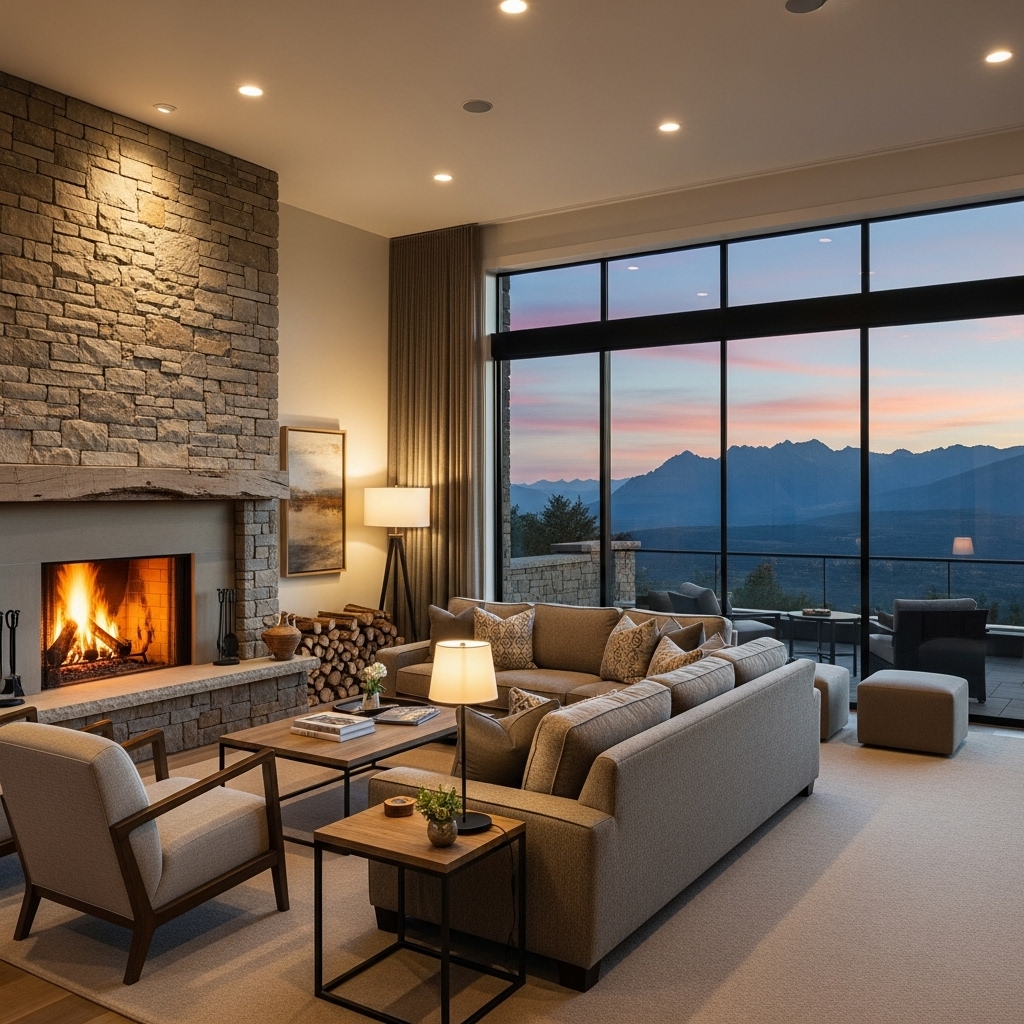
Some large living rooms feature more than one natural focal point, such as a fireplace and a panoramic window, or a TV and a scenic view. The dual-focus layout embraces this complexity rather than fighting it.
Identifying the Primary and Secondary Focus
Start by determining which features deserve attention. One focal point may be dominant, while the other plays a supporting role. Furniture placement should acknowledge both without forcing the room to choose only one.
Smart Furniture Arrangement
Angle sofas or use swivel chairs to allow flexibility in orientation. For example, a sofa might face the fireplace while chairs are angled toward the window. This creates a dynamic layout that responds to different uses and times of day.
Maintaining Cohesion
A consistent color palette and repeated materials help unify the space. Rugs and lighting can also tie the two focal areas together, ensuring the room feels cohesive rather than divided.
When to Use This Layout
- Rooms with fireplaces and large windows
- Living rooms with both entertainment and scenic priorities
- Architecturally interesting spaces
The dual-focus layout celebrates the unique features of a large living room while maintaining harmony and balance.
7. The Layered Layout: Using Depth, Texture, and Scale
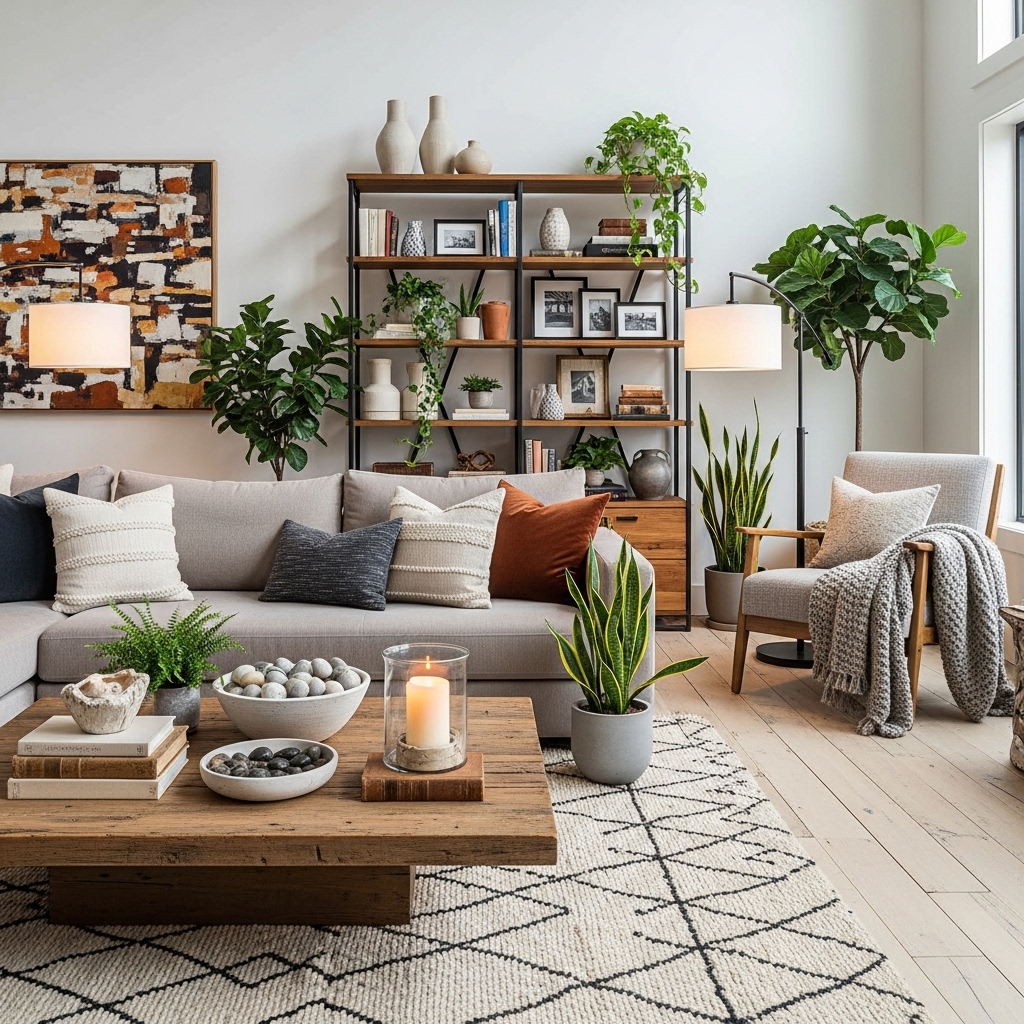
A large living room should feel rich and inviting, not flat or empty. The layered layout achieves this by thoughtfully combining furniture, textures, and decor at varying scales.
Building Layers in Design
Layering involves more than just adding accessories. It includes:
- Mixing furniture heights (low sofas, tall bookcases)
- Combining textures (wood, metal, fabric, stone)
- Using multiple lighting sources at different levels
- Incorporating art, plants, and textiles
Each layer adds depth and interest, helping the room feel complete.
Furniture as Layers
Instead of relying on a few large pieces, use a combination of medium and small furnishings. Side tables, benches, poufs, and accent chairs contribute to a more dynamic layout.
Floating furniture away from walls and overlapping zones slightly can also enhance the sense of depth.
Why Layering Matters in Large Spaces
- Prevents the room from feeling sparse or unfinished
- Adds warmth and personality
- Allows for gradual updates and styling changes
- Enhances visual richness
The layered layout is ideal for creative homeowners who enjoy styling and evolving their space over time.
Conclusion: Designing a Large Living Room with Intention
A large living room offers incredible potential, but it requires thoughtful planning to reach its full impact. Rather than treating the space as a single, oversized area, successful designs focus on structure, flow, and human-scale comfort.
Whether you choose a zoned layout for versatility, a central anchor for cohesion, a conversation-focused arrangement for connection, or a layered approach for depth and personality, the most important principle is intention. Every piece of furniture, every rug, and every light source should serve a purpose.
By applying these seven large living room layout solutions, you can transform even the most expansive space into a room that feels welcoming, functional, and beautifully balance a true heart of the home.